
 Ingrid and Ilona
 Pickleball is exploding in popularity, and whether you’re just getting started or looking to level up, there’s always room to sharpen your skills. The great thing about pickleball is that even small adjustments can lead to big improvements. If you’re tired of losing close matches or feeling stuck in your progress, it might be time to tweak your strategy, refine your technique, and rethink your approach to the game.
Here are ten ways to take your pickleball game to the next level.
1. Master the Soft Game
Power is great, but control wins matches. Many beginners rely too much on hard-hitting shots, but experienced players know that a well-placed soft shot can be even more effective. Dinking—hitting a gentle, controlled shot over the net—keeps your opponent from attacking and forces them to play your game.
Work on your dinks, drop shots, and resets. The more comfortable you are slowing the game down, the better you’ll be at setting yourself up for winning shots.
2. Choose the Right Paddle
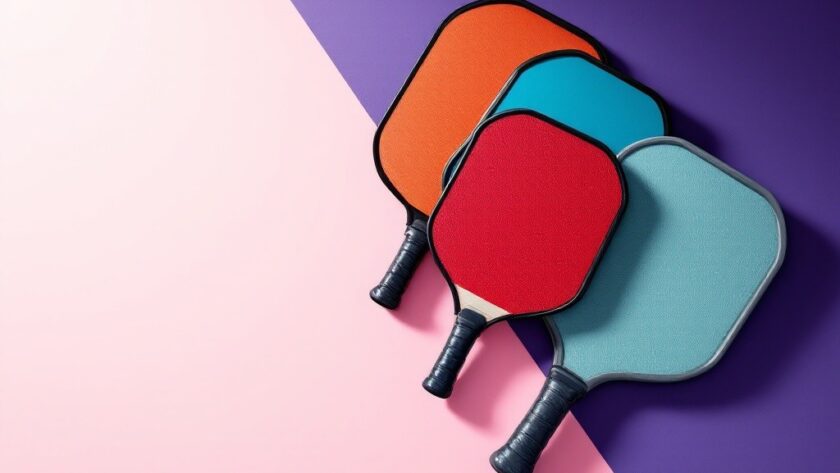
Not all paddles are created equal. The paddle you choose can dramatically impact your control, spin, and power. The good news is that there are lots of nice pickleball paddles on the market today. When choosing one, make sure you factor in the following three attributes.
- Weight – Lighter paddles give you more control, while heavier paddles provide more power.
- Material – Composite paddles offer better spin, while graphite paddles provide a lightweight feel with good control.
- Grip Size – A comfortable grip is essential for better handling and injury prevention.
If your paddle feels off or doesn’t complement your play style, it might be time for an upgrade.
3. Perfect Your Serve
Your serve is the only shot in pickleball that you have complete control over, so make it count. Instead of just getting the ball in play, use your serve as a weapon.
Placement matters more than power. Aim deep into your opponent’s court to push them back, making it harder for them to move up to the kitchen line. Adding spin can also make returns more difficult. If you’re struggling with consistency, slow things down and focus on a fluid motion. A reliable serve gives you an instant advantage.
4. Improve Your Footwork
If you feel like you’re always a step behind, it might not be your reflexes—it’s your footwork. Many players underestimate how much movement affects their game. Good footwork keeps you balanced, helps you react faster, and prevents unnecessary mistakes.
Instead of reaching for the ball, stay light on your feet and take small, quick steps to get into position. Keep your weight forward and be ready to adjust. Stronger footwork means better shot execution and fewer unforced errors.
5. Play Smarter, Not Harder
Power alone won’t win you matches. Instead of trying to outmuscle your opponent, focus on placement, control, and strategy. If you can force them into uncomfortable positions, you’ll create openings for easy winners.
One of the best strategies is hitting to their backhand, as it’s often the weaker side. Another is keeping shots low and at their feet, making it difficult for them to attack. If you’re constantly playing defense, you’re reacting instead of dictating the game—so take control with smart shot selection.
6. Master the Third Shot Drop
If you’re still driving the ball on your third shot every time, you’re making life harder for yourself. A well-placed third shot drop neutralizes your opponent’s advantage and lets you move up to the kitchen line.
This shot should be soft, controlled, and land in the non-volley zone, making it difficult for your opponent to attack. If you can consistently execute it, you’ll slow down aggressive players and set yourself up for success at the net.
7. Communicate With Your Partner
In doubles, the strongest teams aren’t always the ones with the best individual players—they’re the ones that work together. Poor communication leads to unforced errors, missed shots, and frustration.
Talk to your partner. Call “mine” or “yours” on shots to avoid confusion. If one of you is out of position, let the other know. Also, discuss your game plan before the match—decide who covers what, how you’ll handle lobs, and how aggressive you’ll be at the net. A little communication goes a long way.
8. Control the Kitchen Line
If you watch high-level pickleball, you’ll notice one thing—almost every rally is won or lost at the kitchen line. The team that controls the net usually wins the point.
Get to the kitchen line as soon as possible after the serve and return. Once you’re there, keep your paddle up and stay ready for quick volleys. Don’t back up unless absolutely necessary. If your opponents are stuck near the baseline, keep them there by hitting deep, controlled shots. Owning the net puts pressure on them and forces mistakes.
9. Practice With a Purpose
If you’re only playing casual games without working on specific skills, improvement will be slow. The best players practice deliberately—they focus on weaknesses and turn them into strengths.
Instead of just hitting around, try structured drills. Work on dinking, footwork, and third shot drops. Play against better opponents whenever you can. Push yourself out of your comfort zone. The more intentional your practice, the faster you’ll see results.
10. Stay Patient and Keep Learning
Pickleball is a game of adjustments. Even experienced players constantly refine their skills. If you’re feeling frustrated, remind yourself that progress takes time.
Watch how skilled players move, position themselves, and react. Ask experienced players for advice. Instead of trying to fix everything at once, focus on improving one area at a time. The more you learn and adapt, the better you’ll become.
Elevate Your Game Today
Improving your pickleball game doesn’t require massive changes—it’s about refining the small details that add up over time. Focus on consistency, control, and smart decision-making, and you’ll notice the difference in your performance.