 Ingrid and Ilona
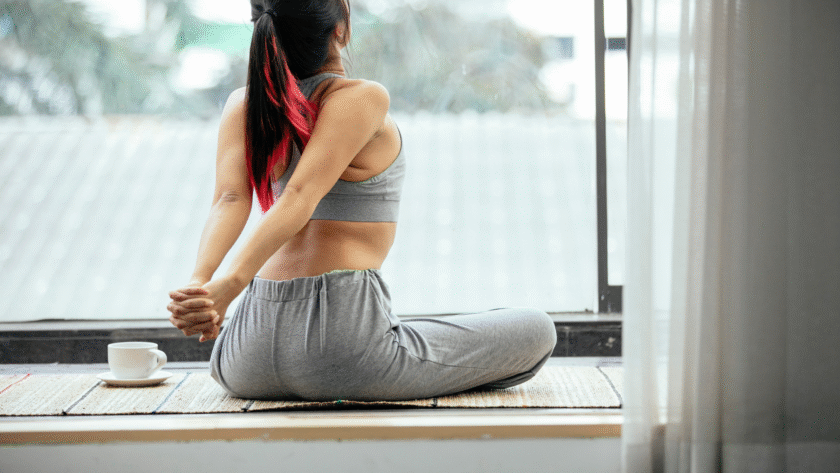
 Stress and tension can significantly impact overall well-being. Incorporating simple stretches into a daily routine can alleviate physical and mental strain. Engaging in these easy stretches helps to release muscle tightness and promotes relaxation, making it a practical approach to managing stress.
Many people underestimate the power of stretching, thinking it only benefits physical fitness. However, certain stretches can directly affect mood and stress levels, offering immediate relief. By dedicating just a few minutes daily to these techniques, individuals can foster a sense of calm and clarity.
Exploring effective stretches allows anyone to find what best suits them. From neck rolls to forward bends, these movements are accessible to all, regardless of fitness level. Taking time to stretch serves as a reminder to pause and reconnect with the body, ultimately enhancing one’s resilience to everyday pressures.
Benefits of Simple Stretches for Stress and Tension
Simple stretches offer a range of benefits that can effectively relieve stress and reduce tension. These practices not only enhance flexibility but also support overall physical health, including improved blood flow and injury prevention.
How Stretching Reduces Muscle Tension
Stretching targets tight muscles, helping to relieve tension built up from stress, poor posture, or lack of movement. When muscles are stretched, they elongate, reducing the tightness that often leads to discomfort. This process triggers a relaxation response in the body, which can lower cortisol levels, ultimately diminishing stress.
Regular stretching not only alleviates immediate tension but also contributes to long-term muscle health. By incorporating simple stretches into daily routines, individuals can maintain muscle elasticity, making them less prone to painful tightness in the future.
Improving Flexibility and Range of Motion
Increased flexibility is a significant benefit of regular stretching. By gradually lengthening muscles, stretching enhances the overall range of motion in joints. This improvement allows for greater ease in movement and reduces the likelihood of strains or injuries during physical activities.
Enhanced flexibility also plays a role in better posture and alignment. Good posture minimizes unnecessary strain on muscles and joints, further reducing tension throughout the body. Consistent stretching promotes a more balanced body, where each muscle is properly warmed up and ready for movement.
Supporting Blood Flow and Injury Prevention
Simple stretches encourage improved blood circulation throughout the body. Increased blood flow delivers more oxygen and nutrients to muscles, which can help them recover faster from bouts of stress or tension. Good circulation aids in flushing out metabolic waste, facilitating the healing process.
Incorporating stretches into a routine can mitigate the risk of injuries. A flexible body is better equipped to handle unexpected movements, reducing the chance of sprains or other musculoskeletal injuries. By promoting blood flow and enhancing flexibility, stretching serves as a preventive measure that benefits overall physical health.
Essential Stretches to Relieve Stress and Tension
Incorporating simple stretches into a daily routine can significantly reduce muscle tension and promote relaxation. Focusing on specific areas of the body that commonly hold stress can yield effective results.
Neck and Shoulder Stretches
Neck and shoulder tension is common, often resulting from prolonged sitting or stress. A few effective stretches include:
- Neck Tilt: Gently tilt the head toward one shoulder, holding for 15-30 seconds to stretch the opposite side of the neck. Repeat on the other side.
- Shoulder Rolls: Roll the shoulders forward and backward in circular motions. Aim for 10 repetitions in each direction to alleviate tightness.
- Cross-Body Shoulder Stretch: Bring one arm across the body, using the opposite hand to press gently toward the chest. Hold for about 20-30 seconds before switching arms.
These stretches can help relax stiff muscles and improve the range of motion in the neck and shoulders.
Back and Spine Stretch Techniques
The back often carries stress, especially from sitting for long periods. Effective back stretches include:
- Cat-Cow Stretch: Begin on hands and knees. Arch the back (cat position) and then lower the belly while lifting the head (cow position). Repeat for 5-10 cycles to enhance flexibility.
- Seated Forward Bend: While seated, extend the legs and gently reach for the toes, keeping the back straight. Hold this position for 20-30 seconds for a deep stretch in the lower back.
- Child’s Pose: Kneel on the floor and sit back on the heels, stretching the arms forward and lowering the chest to the ground. Hold for 30 seconds for a relaxing stretch.
These techniques can release tension throughout the spine.
Leg and Hip Flexor Stretches
Tension in the legs and hips often arises from physical inactivity or stress. To relieve this tension, consider the following stretches:
- Quad Stretch: Stand on one leg and grab the ankle of the opposite foot, pulling it toward the glutes. Hold for 15-30 seconds and switch legs.
- Hip Flexor Stretch: Lunge forward with one foot while keeping the opposite knee on the ground. Lean slightly forward and hold for 20-30 seconds before changing sides.
- Hamstring Stretch: While sitting, extend one leg straight and reach toward the toes. Hold for 20-30 seconds, then repeat with the other leg.
Integrating these leg and hip stretches can help alleviate discomfort and promote relaxation.
Guidelines for Safe and Effective Stretching
To maximize the benefits of stretching while minimizing risks, attention to technique, timing, and awareness of the body’s limits is crucial. This section emphasizes the importance of proper form, appropriate frequency, and recognizing signs of overstretching. Ease into each stretch gradually, avoid bouncing or forcing a position, and stop if you feel sharp or shooting pain rather than a gentle pull. If certain areas, especially the neck or lower back, continue to feel tight or painful, no matter how carefully you stretch. Providers offering back and neck pain care NJ (or elsewhere), along with physical therapists or chiropractors, can help figure out what’s actually going on rather than just managing the discomfort through stretching alone.
Proper Technique and Posture
Maintaining correct technique and posture during stretches is essential for preventing injuries. Each stretch should be performed slowly and gently, avoiding any sudden movements. Individuals should ensure that their joints are aligned to prevent strain.
- Alignment: Focus on keeping the body in proper alignment. For example, during a shoulder stretch, keeping the neck relaxed and shoulders down is vital.
- Breathing: Inhale deeply before stretching and exhale while holding the stretch. This encourages relaxation and increases the range of motion.
- Duration: Hold each stretch for 15 to 30 seconds. This time frame allows muscles to relax and lengthen effectively.
Frequency and Timing of Stretches
Stretching should be integrated into regular routines to enhance flexibility and reduce tension effectively. Engaging in stretching activities several times a week is ideal.
- Daily Stretches: Incorporating short stretching sessions daily can help maintain muscle flexibility.
- Pre-Exercise: Before engaging in physical activity, dynamic stretches prepare muscles for movement and reduce the risk of injuries.
- Post-Exercise: Static stretches following a workout help in relaxation and recovery.
Timing can significantly influence the effectiveness of each stretch and should be adapted based on the individual’s schedule and physical condition.
Recognizing and Preventing Overstretching
Awareness of one’s limits is key to preventing overstretching. Individuals should listen to their bodies and stop when they feel discomfort.
- Warning Signs: Pain, sharp sensations, or joint pinching are signals to retreat from a stretch.
- Gentle Movements: A stretch should feel gentle and relieving, not painful.
- Progress Gradually: Increasing stretch intensity should be gradual. Flexibility takes time to develop, and rushing this process can lead to strains or injuries.
By following these guidelines, individuals can promote safety and effectiveness in their stretching routines, ensuring continual progress in flexibility and tension relief.