
 Ingrid and Ilona
 Smart shopping can lead to significant savings on groceries, allowing individuals to manage their budgets more effectively. By planning meals, using coupons, and avoiding impulse purchases, one can maximize their grocery budget without sacrificing quality. Understanding different shopping strategies can transform the grocery shopping experience into an opportunity for financial gain.
Many shoppers overlook the importance of preparation. Creating a shopping list based on planned meals not only reduces unnecessary spending but also minimizes food waste. Additionally, being aware of seasonal produce and local sales can further enhance savings.
Grocery shopping does not have to strain finances. With a few strategic adjustments, anyone can stretch their dollars further. Embracing a smarter shopping approach means making informed choices that benefit both the wallet and the pantry.
Foundational Strategies for Saving More on Groceries
Effective grocery shopping requires strategic planning. By setting a budget, planning meals, and creating a shopping list, individuals can significantly reduce their expenses.
Setting and Managing Your Grocery Budget
Establishing a grocery budget is essential for controlling expenses. Individuals should first review their monthly income and identify how much can realistically be allocated to groceries. A common recommendation is to allocate about 10-15% of the total monthly income to this category.
To ensure adherence to the budget, tracking spending can be beneficial. Tools like spreadsheets or budgeting apps help in recording each expense. Additionally, checking grocery flyers can reveal sales, guiding adjustments to the budget as necessary.
Meal Planning for Maximum Savings
Meal planning maximizes savings by helping individuals utilize ingredients efficiently. Creating a weekly plan that outlines breakfast, lunch, and dinner can minimize impulse purchases.
Focusing on versatile ingredients is key. For instance, using chicken in multiple dishes throughout the week ensures that nothing goes to waste. Preparing meals in advance also helps reduce time spent shopping and cooking, further decreasing the temptation to order takeout.
Making an Effective Shopping List
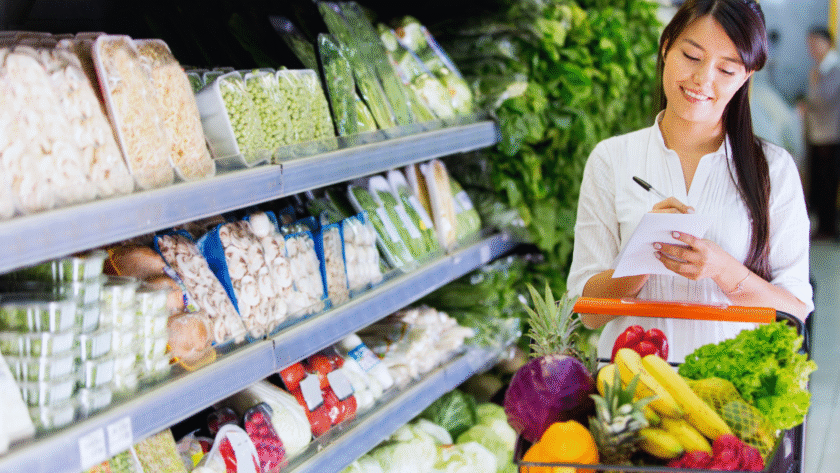
An organized shopping list is crucial for cost-effective grocery shopping. Individuals should create lists based on their meal plans, which helps in avoiding unnecessary purchases.
Using categories such as produce, dairy, and grains can streamline shopping. This method reduces time spent in stores and minimizes the chances of acquiring items that are not needed. Additionally, sticking to the list helps prevent impulse buying, which often contributes to inflated grocery bills.
By implementing these strategies, individuals can effectively manage their grocery costs while still meeting their dietary needs.
Smarter Shopping Techniques at the Store
Effective shopping techniques can significantly enhance savings on grocery bills. By utilizing strategies such as price comparisons, understanding store layouts, and choosing the right stores, shoppers can make informed decisions that lead to smarter purchases.
Comparing Prices and Using Unit Pricing
Price comparison is crucial for making smart grocery purchases. Shoppers should keep an eye on both the total price and the unit price, the latter often displayed on shelf tags. Unit pricing shows the cost per ounce, liter, or other measurement, facilitating direct comparisons between products.
When comparing prices, consider store brands as they often provide similar quality at lower prices. Keeping track of sales, promotions, and digital coupons can also boost savings. A notebook or smartphone app can help track prices over time, highlighting the best deals.
Understanding Grocery Store Layouts
Grocery stores are designed strategically, influencing shopper behavior. Typically, essential items are located at the back of the store, encouraging pass-through shopping. As shoppers navigate aisles, they encounter impulse purchase items, so being aware of this setup can help avoid unnecessary spending.
Familiarizing oneself with the store layout can save time and reduce the likelihood of purchasing unplanned items. Knowing where preferred products are located allows shoppers to create efficient shopping lists, enhancing focus on needs rather than wants.
Choosing the Right Stores
Selecting the right grocery store plays a significant role in savings. Discount and warehouse stores often provide lower prices, ideal for bulk purchases of staple items. Specialty stores may have higher prices but can offer unique items and quality products.
Additionally, local farmers’ markets and ethnic stores may provide better deals on fresh produce and international ingredients. Regularly assessing local competitors can lead to discovering new stores that align with budgeting goals. By diversifying shopping locations, shoppers can maximize their savings.
Advanced Tactics for Stretching Your Grocery Dollars
Smart grocery shopping combines savings and efficiency. By implementing specific tactics, shoppers can maximize their budgets while minimizing waste.
Buying in Bulk and Avoiding Food Waste
Purchasing items in bulk can lead to significant savings. Stores often offer lower prices per unit for larger quantities. This tactic is particularly effective for non-perishables like grains, canned goods, and snacks.
To avoid food waste, it is crucial to assess storage options and usage frequency. If a bulk purchase is likely to spoil before use, consider splitting it with friends or family. Additionally, using items that freeze well, such as meat and certain fruits, can help prolong their life and reduce waste.
Shopping Seasonal and In-Season Produce
Choosing seasonal and in-season produce can enhance flavor and nutrition while being kind to your wallet. These fruits and vegetables tend to be less expensive due to higher availability.
For example, buying tomatoes in the summer and squash in the fall often results in fresher produce at lower prices. Shoppers can check local farmers’ markets or grocery store calendars to identify what’s in season. Planning meals around these seasonal items not only maximizes savings but also supports local agriculture.
Leveraging Loyalty Programs and Discounts
Loyalty programs can provide additional savings and offer personalized discounts based on shopping habits. By signing up for grocery store loyalty cards, shoppers can access exclusive deals and points systems.
Shops often provide promotions, such as double points on certain days or discounts on popular items for members. Staying informed about these offers can enhance savings considerably. Additionally, combining loyalty discounts with manufacturer coupons or sales can amplify overall savings on groceries.