
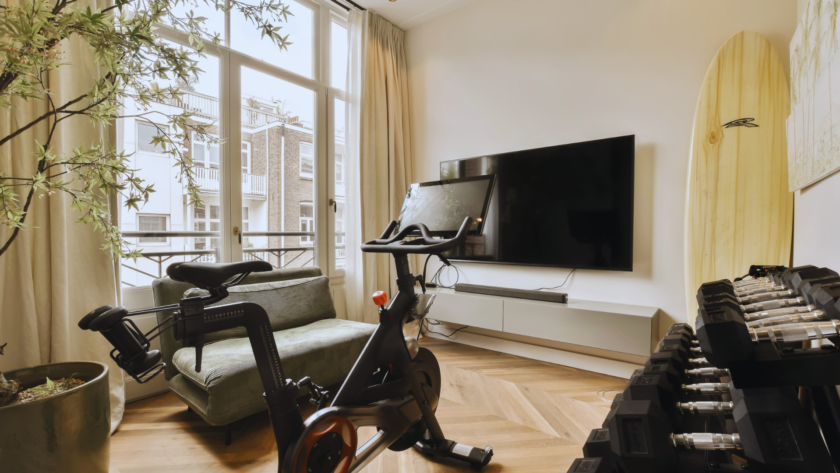
 Ingrid and Ilona
 Creating a home gym allows anyone to tailor their fitness environment to meet specific health and fitness goals. The right setup can enhance motivation, making it easier to stick with a regular exercise routine. With the convenience of working out at home, individuals can save time and costs associated with a traditional gym membership.
Selecting the right equipment is essential to building an effective home gym. This decision should be informed by personal fitness preferences and available space. By carefully considering which tools best support their routines, they can create a versatile workout space that encourages consistency and progress.
Establishing a home gym also fosters a sense of ownership over one’s fitness journey. It transforms exercise from a chore into a personalized experience, fitting seamlessly into daily life. With a dedicated space, achieving health and fitness goals becomes more accessible and achievable.
Planning Your Home Gym
When considering a home gym, key elements include setting a budget, choosing the right location, and balancing cost with quality. Each aspect significantly influences the success and enjoyment of the home gym experience.
Setting a Budget
Determining a budget is crucial for planning a home gym. This budget should cover equipment, space preparation, and any necessary modifications.
- Equipment Costs: Basic equipment like dumbbells and a bench can start around $200, while more extensive machines may exceed $1,000.
- Space Preparation: Flooring, mirrors, and decor can add another $500 to $2,000.
- Monthly Gym Membership Savings: The right home gym can save $50 to $150 monthly, offsetting initial costs over time.
A clear budget allows for effective planning, ensuring necessary expenses are covered without overspending.
Choosing the Right Location
Location is vital in maximizing the home gym’s utility. Identifying a suitable area in the home affects accessibility and motivation.
- Spare Room or Basement: These locations offer ample space while allowing for privacy. Proper ventilation and lighting are essential.
- Garage: A garage can be converted cost-effectively, provided it has enough space and can maintain a suitable temperature.
Consider proximity to daily activities. The more accessible the gym is, the more likely it is to be used consistently.
Balancing Cost with Quality
Finding a balance between cost and quality ensures lasting enjoyment and effectiveness. While budget constraints are important, investing wisely can improve the gym experience.
- Durable Equipment: High-quality equipment, often more expensive initially, lasts longer and requires fewer replacements.
- Versatile Options: Multi-use gadgets can save space and money; for example, resistance bands are inexpensive and effective.
Research brands and read reviews to identify reliable products that fit within budget constraints while delivering the necessary performance.
Essential Equipment Selection
Choosing the right equipment is crucial for a home gym. The right selection can enhance workout efficiency and provide versatility for a range of exercises.
Free Weights and Barbells
Free weights are fundamental for building strength and muscle. Dumbbells and barbells allow for varied movements and can target multiple muscle groups.
Adjustable Dumbbells are a valuable option, as they save space and adjust to different weights without needing a full set.
Standard barbells should typically weigh 45 pounds. For those seeking flexibility, Olympic barbells can accommodate larger weight plates. Weight plates come in different varieties, including standard and bumper plates, suitable for various workouts.
Kettlebells also deserve attention for their versatility, allowing for dynamic and functional strength training. Choosing an assortment of weights ensures diverse training options.
Racks and Benches
Racks and benches provide stability and safety during workouts. A squat rack is essential for performing squats and overhead lifts. For smaller spaces, a folding squat rack can provide the same benefits with less footprint.
A quality weight bench is crucial as well, offering support for numerous exercises, such as presses and rows. Look for adjustable benches that can incline or decline for added versatility.
Power racks are another excellent investment. They allow users to perform various exercises safely, with adjustable arms for spotting.
Cardio Equipment
Cardiovascular health is vital, making cardio equipment an essential part of any home gym.
- Treadmills provide a straightforward way to get a cardio workout indoors. They come in various models, from basic to high-tech.
- Stationary bikes offer a low-impact alternative, suitable for longer sessions. One can opt for upright or recumbent models based on comfort preference.
- Rowing machines combine upper and lower body workouts, making them efficient for total body conditioning. Incorporating different cardio options enhances stamina and breaks up training monotony.
Now that the different types of equipment have been covered, it’s important to recognize that selecting the right gear should align with both available space and fitness goals. Compact and versatile equipment, like adjustable dumbbells or folding benches, are often ideal for smaller spaces, while larger areas can accommodate more extensive setups like squat racks or power racks. For those unsure of where to start or which equipment best suits their needs, exploring fitness resources from reliable platforms, such as Your Home Gym Guide, could provide valuable insights and help manage the decision-making process.
Installation and Setup Considerations
Creating an efficient home gym requires careful attention to various factors during installation and setup. Proper flooring, adequate weight capacities, and optimized lighting are essential components that enhance the experience and safety of the workout space.
Flooring and Surface Protection
Choosing appropriate flooring is crucial for a home gym, especially in spaces like a garage gym where the surface may not be initially suited for workouts. Rubber flooring is a popular choice due to its durability and shock absorption. It protects the underlying surface while providing stability during exercises.
When selecting flooring material, consider using interlocking foam tiles, which are easy to install and can be customized to fit the space. Alternatively, if you’re looking for a more polished and low-maintenance option, vinyl flooring could be a great choice, offering durability and a sleek finish. Moreover, protecting the floor from heavy equipment is important, and placing mats under machines like treadmills or weight racks can help minimize wear and tear. Finally, for those exploring different flooring solutions, america’s floor source louisville ky (or other reputable flooring specialists in your area) typically offers a variety of options to accommodate various home gym needs.
Assessing Weight Capacities
Understanding the weight capacities of both the flooring and the equipment is vital during setup. Floors in residential homes often have specific limits regarding how much weight they can support without damage. For example, an average house floor can typically bear 40 pounds per square foot, though concrete garages may handle more. If you want to have complete peace of mind that your flooring is suitable. consider making some upgrades if your gym space can handle it. For example if you’re set on using the garage for your home gym, investing in epoxy flooring from a reputable site such as www.bigredsepoxyflooring.com.au can help to prevent damage to your home when slamming around heavy weights. This goes without mentioning that epoxy flooring can look the part when putting together a new home gym.
When it comes to the equipment you want to use, assess its weight along with the combined weight of users. It’s wise to consult with flooring professionals, like those at the aforementioned epoxy company, if there are any concerns about weight load limits, particularly with heavy free weights or multi-functional machines.
Optimizing Lighting and Space
Lighting plays a significant role in creating a motivating environment. Adequate lighting boosts visibility and can improve workout performance. Natural light is beneficial, so positioning the gym near windows is ideal. If that’s not an option, consider using bright LED lights that mimic daylight.
Space optimization is also critical. Ensure there is ample room to move freely and safely. Arrange equipment based on usage frequency, placing items like dumbbells or mats within easy reach. Ergonomically arranging the gym can enhance workouts and prevent accidents. One creative way to bring in natural light and expand usable space is by incorporating a dedicated sunroom as your fitness area. Homeowners exploring this idea could look into sunroom additions in Natick, MA or a service which is closer to you, to see how these bright, versatile spaces can double as inspiring workout environments. Combining open space with abundant daylight can go a long way in supporting your fitness goals and overall wellbeing.
Smart Shopping for Home Gym Equipment
Selecting the right equipment for a home gym involves strategic shopping. Finding the best deals and deciding between new and used equipment are crucial steps. Knowledge of online marketplaces enhances the shopping experience.
Finding Deals on Equipment
To secure the best deals on home gym equipment, consumers can start by comparing prices across various retailers. Online stores like Amazon, Dick’s Sporting Goods, and Walmart often feature sales events or discounts. Signing up for newsletters can provide access to exclusive promotions.
Retailers may also offer free shipping or bundled deals, which can reduce overall costs. Additionally, utilizing coupons and cashback offers from credit cards adds further value.
Another effective strategy is to visit local sporting goods stores and inquire about seasonal sales or clearance items. Visiting multiple locations increases the likelihood of finding significant discounts.
Considering Used vs. New
The decision to buy used or new equipment can significantly impact the budget. New equipment comes with manufacturer warranties, ensuring longevity and support.
However, the used market offers substantial savings, often allowing individuals to purchase high-quality items at a fraction of the retail price. Used equipment can be easily found on platforms like Craigslist, Facebook Marketplace, and OfferUp.
Buyers should inspect used items for wear and tear. Working with sellers who are willing to negotiate provides an opportunity for even better deals. Nevertheless, they must ensure that equipment is functional and safe for use.
Navigating Online Marketplaces
Online marketplaces are a treasure trove for finding gym equipment. Platforms such as Craigslist, Facebook Marketplace, and Letgo allow users to browse local listings conveniently.
When using these platforms, they should be cautious of common scams. Checking reviews and seller ratings can prevent potential issues.
Garage sales and estate sales also provide opportunities to find equipment at low prices. Engaging with sellers to negotiate prices can yield even greater savings.
In many cases, being patient and regularly checking listings leads to discovering great deals. Remember to take note of shipping costs or availability for larger items, which can impact the total expense.