 Ingrid and Ilona
 Urban living often comes with limited space, making sustainable garden design a creative challenge. Small urban spaces can be transformed into flourishing green areas with the right strategies, allowing for both beauty and functionality. By incorporating vertical gardens, container planting, and native plants, individuals can maximize their outdoor areas while promoting biodiversity and sustainability.
Designing a sustainable garden in a confined setting encourages innovative thinking and efficient use of resources. Techniques such as rainwater harvesting and composting can be integrated into these gardens, reducing waste and conserving water. The result is not just a serene escape but a contribution to the overall health of the urban ecosystem.
With a focus on sustainable practices, even the smallest outdoor spaces can thrive. Initiatives to plant pollinator-friendly species and create habitat for local wildlife offer additional benefits. Embracing these approaches not only enhances personal enjoyment of the space but also fosters a greater connection with nature amid the urban landscape.
Fundamentals of Sustainable Garden Design for Small Urban Spaces
Sustainable garden design in small urban areas involves maximizing limited space while adhering to eco-friendly practices. This section highlights core principles, space considerations, and methods to effectively integrate sustainability into urban gardens.
Core Principles of Eco-Friendly Gardening
Sustainable gardening hinges on a few key principles. First, it emphasizes biodiversity. By incorporating native plants, gardens become resilient and require less maintenance.
Second, utilizing organic gardening methods prevents chemical runoff, which is crucial in urban settings. This includes composting kitchen scraps and using natural pest control.
Third, water conservation is essential. Techniques like rainwater harvesting or drip irrigation reduce waste and enhance plant health. Lastly, soil health should not be neglected; enriching soil with organic matter fosters a robust garden ecosystem.
Understanding Space Constraints and Opportunities
Small urban gardens often grapple with physical restrictions, yet they present unique opportunities. Design flexibility is critical. Vertical gardening or layered plant arrangements can optimize limited ground space while creating visual interest.
Using containers offers versatility, allowing gardens to be mobile and adaptable to changing conditions. Residents can choose pots with self-watering features and those made from sustainable materials.
Additionally, community gardens can be a solution. They not only utilize underused spaces but also foster community connections and enhance local biodiversity. These shared initiatives can transform neglected areas into vibrant green spaces.
Integrating Sustainability into Urban Gardens
Integrating sustainability involves selecting eco-friendly practices that maximize benefits. Choosing perennial plants reduces the need for replanting and can provide long-term yield.
Implementing companion planting enhances plant health and deters pests naturally. For example, herbs can repel harmful insects while flowering plants attract pollinators.
Incorporating features like rain gardens can effectively manage stormwater and improve local water quality. These gardens also enrich the landscape, adding aesthetic appeal. Urban gardening benefits from mindful design choices that prioritize environmental and community health.
Maximizing Space: Innovative Design Techniques
Utilizing innovative design techniques is crucial for optimizing small urban gardens. By incorporating vertical gardening, smart container strategies, and rooftop or balcony gardens, one can create a lush environment even in limited spaces.
Vertical Gardening Solutions
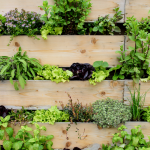
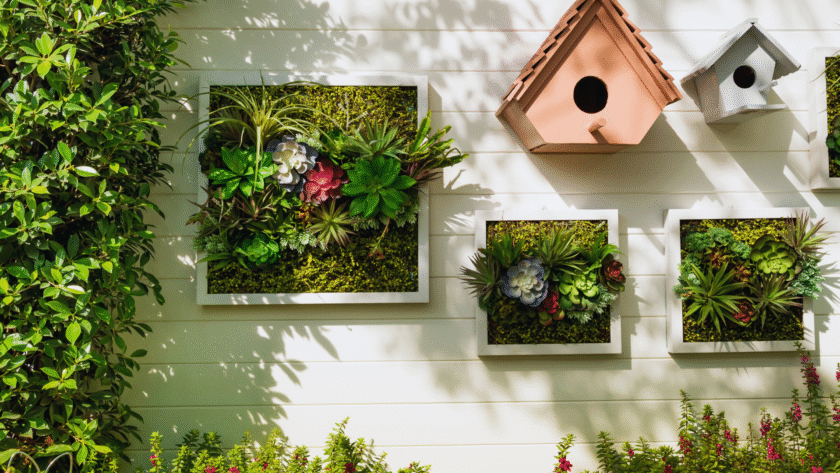
Vertical gardening presents an effective method for maximizing planting area. Wall-mounted planters, trellises, and vertical garden systems can transform plain walls into green landscapes.
Materials to Consider:
- Recycled Wood: For DIY vertical planters.
- Plastic Containers: Lightweight and durable options.
- Fabric Towers: Great for herbs and small plants.
These solutions not only save ground space but also enhance aesthetics. Properly designed vertical gardens improve air quality and temperature, benefiting both plants and urban living.
Smart Container Gardening Strategies
Container gardening offers flexibility, allowing for the use of various materials and sizes to fit unique urban spaces. Smart choices include using containers made from recycled materials to reduce waste.
Best Practices:
- Choose Size Wisely: Select containers that fit the available space.
- Use Self-Watering Containers: They help in maintaining consistent moisture.
- Group Plants by Needs: Organize plants with similar light and water requirements together.
Mixing different sizes and shapes can create visual interest while enabling effective space usage. Attractive container arrangements can also serve as focal points in small gardens.
Rooftop and Balcony Gardens
Rooftop and balcony gardens are ideal for urban gardening, expanding limited ground-level options. They allow for creative plant arrangements while also providing unique environmental benefits.
Key Considerations:
- Weight Capacity: Ensure the structure can support plants and soil.
- Wind Resistance: Choose sturdy plants and secure containers.
- Access to Sunlight: Position gardens for optimal light exposure.
These gardens can feature edible plants, ornamental flowers, or a combination. Incorporating raised beds and tiered planting enhances accessibility and appeal, making urban spaces livelier and productive.
Sustainable Plant Selection and Biodiversity
Selecting the right plants is crucial for creating a sustainable garden in urban spaces. Focus on native species, encourage biodiversity, and consider methods that support beneficial insects and pollinators.
Choosing Native and Drought-Resistant Plants
Native plants are well-suited to local climates and require less water and maintenance. They support local biodiversity by providing food and habitat for native wildlife.
Examples of native plants:
- Coneflower: Attracts butterflies and is drought-tolerant.
- Lavender: Provides nectar for bees and is also drought-resistant.
Drought-resistant plants help conserve water, a vital resource in urban environments. Incorporating a mix of these plants promotes a healthy ecosystem, reduces the need for chemical fertilizers, and enhances the garden’s resilience to pests and diseases.
Companion Planting and Permaculture Principles
Companion planting involves pairing plants that benefit each other. For example, planting marigolds alongside vegetables can deter pests, while basil can enhance the growth of tomatoes.
Permaculture principles emphasize sustainable practices that mimic natural ecosystems. Techniques include layering plants for various heights, using ground cover to reduce weeds, and implementing crop rotation to maintain soil health.
Combining these practices increases yield and minimizes the need for chemical inputs, fostering a more balanced garden environment.
Creating Habitats for Pollinators and Beneficial Insects
Creating diverse habitats is essential for supporting pollinators such as bees and butterflies. This can be achieved by incorporating flowering plants that provide nectar and pollen.
Consider including native flowering plants to attract these beneficial insects. Easy-care flowers like coneflower and lavender play a dual role by beautifying the garden and serving as food sources.
Moreover, providing shelter with small brush piles or undisturbed areas can create a sanctuary for beneficial insects. This investment in biodiversity not only enhances the garden’s beauty but also contributes to a robust pollinator population, thereby supporting the entire ecosystem.
Eco-Conscious Maintenance and Resource Management
Effective maintenance and resource management are essential for sustainable garden design in small urban spaces. Focusing on composting, water conservation techniques, and organic gardening practices supports both plant health and environmental sustainability.
Composting for Nutrient-Rich Soil
Composting transforms kitchen scraps and yard waste into nutrient-rich soil amendments. Materials such as fruit and vegetable peels, coffee grounds, and shredded leaves break down into compost, enhancing soil structure and fertility.
To start composting, choose a container or bin with good airflow. Layer green materials (nitrogen-rich) like vegetable scraps with brown materials (carbon-rich) such as dried leaves. Regular turning aerates the compost, accelerating decomposition.
Using compost not only enriches soil but also reduces landfill waste. A compost mix can improve drainage, encourage beneficial microorganisms, and provide essential nutrients, promoting robust plant growth in eco-friendly gardens.
Water Conservation Methods and Drip Irrigation
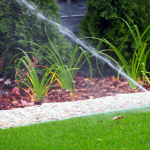
Water conservation is vital in urban gardening, where resources may be limited. Drip irrigation offers an efficient solution by delivering water directly to the plant roots. This method minimizes evaporation and run-off, ensuring that plants receive adequate moisture.
Gardeners should install a drip irrigation system tailored to their garden layout. Timers can automate watering schedules, optimizing water use. Additionally, rain barrels can collect rainwater for irrigation, further enhancing sustainability.
Mulching around plants also helps retain moisture, reducing the frequency of watering. A combination of these methods can significantly reduce water usage while maintaining healthy plant life.
Organic Gardening and Sustainable Upkeep
Organic gardening emphasizes growing plants without synthetic pesticides and fertilizers, promoting a healthier ecosystem. Using organic practices can improve soil health and enhance biodiversity.
Common practices include natural pest management techniques such as introducing beneficial insects or using homemade insecticidal soap. Organic fertilizers, like bone meal or fish emulsion, provide essential nutrients without harming the environment.
Sustainable upkeep involves regular soil amendments and maintaining biodiversity through companion planting. These strategies enrich the soil while creating a more resilient garden. Organic gardening not only fosters plant health but also encourages a more sustainable urban environment.