 Ingrid and Ilona
 Creating a family garden can be a rewarding journey that nurtures both plants and relationships. To build a garden that evolves with a family, it is essential to choose plants and structures that accommodate the varying interests and capabilities of family members as they grow. This allows for shared experiences, teaching moments, and ultimately, a space that reflects the family’s changing dynamics.
Incorporating elements such as raised beds, easy-to-grow plants, and designated areas for children can make the garden accessible for everyone. Engaging family members in the planning process encourages ownership and excitement, while establishing routines for care fosters responsibility and cooperation.
Cultivating a garden that grows with the family not only enhances the home environment but also strengthens family bonds through collaboration and shared successes. From picking the right plants to planning seasonal changes, the experience forms lasting memories and valuable life lessons.
Planning a Family-Friendly Garden
Creating a garden that accommodates a family’s needs involves careful consideration of space, sunlight, and plant selection. The right plan can foster a love for gardening while ensuring sustainability and convenience.
Assessing Space and Sunlight Needs
Determining the available garden space is essential for planning. It’s important to measure the area accurately to maximize planting. Gardens can be designed in backyards, front yards, or even balcony spaces.
Sunlight is crucial for vegetable growth. Most vegetables require at least 6-8 hours of direct sunlight daily. Identify sunny spots in the yard. Using a simple compass or observing shadows can help locate these areas.
Consider creating designated zones for different activities. Children can have a designated space for play while maintaining a vegetable plot nearby. This division keeps the garden kid-friendly while ensuring adults can tend to plants efficiently.
Choosing Between Raised Beds and Traditional Plots
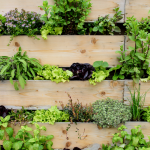
Raised beds offer several advantages, especially for families. They provide better soil quality, improved drainage, and ease of access.
A height advantage allows children to participate without straining their backs. They also reduce the need for bending, which is beneficial for adults.
Traditional plots demand more space and soil preparation, but can be rewarding. Families with larger areas might prefer these, especially if they want to grow root vegetables like potatoes or carrots.
Selecting the right option often depends on the family’s size and gardening experience. For novice gardeners, starting with raised beds is generally more approachable.
Selecting Vegetables for All Ages
Choosing the right vegetables is key to engaging all family members. Fast-growing crops can keep children interested. Options include radishes, lettuce, and peas. These can often be harvested within weeks of planting.
Beans and cucumbers are also great for young gardeners. They require minimal care and can be picked directly from the vine. Tomatoes and corn can be involved in interesting garden activities, as children can help build supports for the plants.
Spinach and onions are more laid-back options that families can include. These vegetables typically grow well together and can be planted in the same area.
Balancing different growth rates and involvement keeps gardening enjoyable for everyone.
Growing Together: Involving the Whole Family
Engaging the entire family in gardening fosters teamwork and connection. By giving each family member age-appropriate tasks, teaching care routines, and creating shared experiences, the garden can become a nurturing environment for both plants and relationships.
Assigning Age-Appropriate Gardening Tasks
Assigning tasks based on age allows everyone to contribute meaningfully.
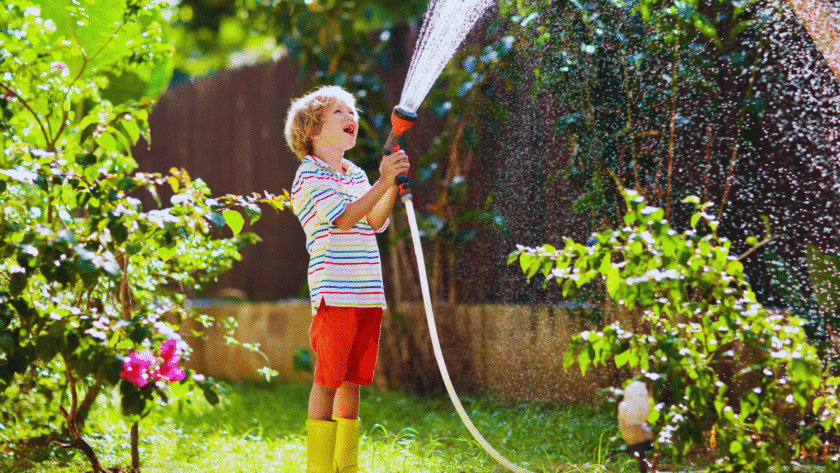
- Toddlers can assist with simple activities like digging holes for seeds or watering with small, lightweight cans.
- Elementary-aged children may handle planting seeds, pulling small weeds, or harvesting vegetables, enhancing their motor skills and understanding of plant growth.
- Tweens and teens can take on more complex responsibilities, such as creating garden layouts, managing insect control, or organizing the compost bin.
Such delegation not only empowers everyone but also builds confidence and encourages a sense of achievement.
Teaching Responsibility Through Care and Maintenance
Gardening teaches valuable lessons about responsibility.
By establishing a care schedule, family members learn the importance of regular maintenance. This includes:
- Watering the plants, which teaches them about hydration needs.
- Weed management, where they can identify and remove unwanted plants, understanding the concept of competition among species.
- Monitoring for bugs and insects, such as aphids and beetles, encourages observation skills and knowledge of pest control methods.
Regular care instills a sense of obligation and teamwork, strengthening family bonds while nurturing plants.
Building Lasting Memories and Healthy Habits
Creating a family garden cultivates more than just plants; it fosters memories.
Engaging in activities like:
- Planting days, where everyone chooses a vegetable to plant, promote discussion about healthy eating.
- Harvest celebrations, when they gather fresh produce, can turn into fun family meals featuring their efforts.
These moments not only build connections but also encourage healthy lifestyles. Families actively participating in gardening are likely to develop a greater appreciation for nature and food, benefiting their overall well-being.
Selecting and Planting Crops That Thrive
Choosing the right crops and planting them effectively can create a productive garden that adapts to a family’s needs. Knowing which vegetables grow well together and how to maintain soil health is vital for sustainability and yield.
Popular Family-Friendly Vegetables
Several vegetables are ideal for family gardens, being accessible and enjoyable for children to grow. Bush beans and pole beans are excellent choices due to their quick growth and high yield. They require minimal care and are also fun for kids to pick. Peas thrive in cooler weather and are a favorite among children for their sweet taste.
In addition to legumes, leafy greens like lettuce, spinach, and chard can be sown multiple times during the growing season. They require little space and can be enjoyed fresh in salads. Root vegetables such as carrots, radishes, and beets are another great option, as they are easy to plant and harvest. Tomatoes are especially rewarding, providing a delicious fruit that many kids love.
Companion Planting for Success
Companion planting enhances growth by utilizing natural relationships between plants. For example, basil is known to improve the flavor of tomatoes and can help repel pests. A mix of garlic and onions alongside carrots can deter carrot flies while keeping the soil nutrient-rich.
Certain combinations can also maximize space in the garden. Planting cucumbers with corn allows the vine to climb, benefiting from the structure. Many families introduce herbs like parsley and sage in their vegetable patches, as they thrive alongside many vegetables and can enhance meals. Awareness of these relationships allows families to cultivate a more efficient, thriving garden.
Rotating Crops for Healthy Soil
Crop rotation is essential for maintaining soil health and fertility over time. By altering the location of specific crops each season, gardeners can break pest and disease cycles while improving soil structure. For example, following legumes like peas or beans with nutrient-hungry plants such as corn or broccoli can replenish nitrogen levels in the soil.
Gardeners should keep track of what has been planted where each season to prevent soil depletion. Incorporating a variety of crops, including eggplant and potatoes, will also contribute to a balanced ecosystem in the garden. Regularly planting diverse crops can lead to healthier soil and better yields.
Sustaining Your Garden Through Challenges
Maintaining a garden requires proactive strategies to combat issues like weeds, pests, and wildlife. Specific measures can effectively protect plants and ensure their growth despite various challenges.
Managing Weeds and Pests
Weeds compete with garden plants for nutrients, water, and sunlight. Regularly checking the garden for invasive species is crucial. Hand-pulling small infestations before they seed can prevent larger problems.
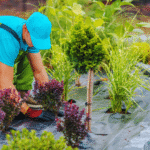
Applying mulch around plants can suppress weed growth and retain soil moisture. Additionally, using landscape fabric can create a barrier to weeds while still allowing nutrients to reach the soil.
For pests, integrated pest management (IPM) offers a balanced approach. This includes monitoring insect populations, using traps, and applying organic pesticides when necessary. She may also encourage natural predators, like ladybugs, by planting specific flowers that attract them.
Understanding Beneficial Insects and Common Threats
Beneficial insects play a vital role in a sustainable garden. Ladybugs, lacewings, and parasitic wasps help control pest populations naturally. Planting flowers such as marigolds and dill can attract these helpful species.
Common threats include the cabbage moth and aphids, which can damage leafy crops. Regular inspection of plants can catch infestations early. She can physically remove these threats or use insecticidal soap for treatment.
It is essential to identify and understand both beneficial insects and common threats to maintain ecological balance.
Protecting Crops From Wildlife
Wildlife can pose a significant threat to garden crops. Rabbits, deer, and birds often eat young plants. Physical barriers, such as fences or netting, can effectively protect vulnerable crops.
Raised beds can deter smaller animals, while taller fences can keep out larger ones. Additionally, certain plants can act as natural repellents. For instance, planting garlic or marigolds may discourage rabbits and deer.
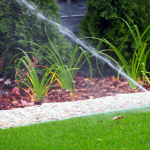
Using motion-activated sprinklers can deter birds without harming them. Effective protection strategies are essential to maintaining the harvest and overall health of the garden.